
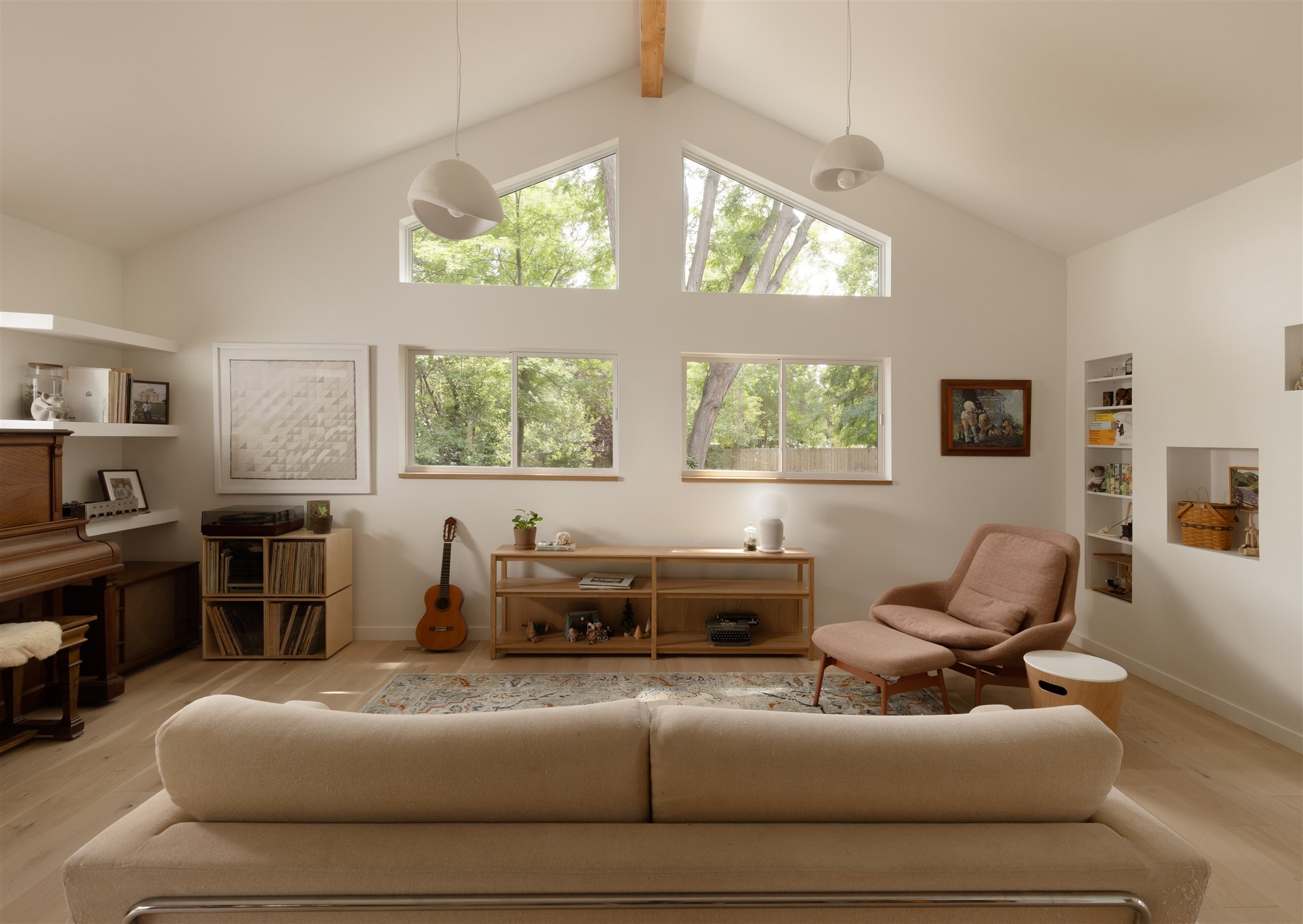
If your home in Boulder County was built between the 1970s and early 2000s, especially if it’s a 1990s home, it likely checks the box on square footage but falls short on identity and livability. These homes were often designed for efficiency and resale, not personal expression. The result is familiar: segmented layouts, low ceilings, generic finishes, and spaces that feel disconnected from how you actually live.
Most of the time, the challenge isn’t preserving character, it’s creating it. That’s why so many homeowners are turning to home remodeling in Boulder County. Not because their homes are falling apart, but because they want spaces that feel intentional, functional, and reflective of who they are today.
Modernizing a home from this era isn’t about restoring the past. It’s about reshaping the home around your lifestyle through a collaborative design process that introduces warmth, clarity, and individuality where none previously existed.
A sneak peek:
- What Does It Cost?
- How to Update an Older Home
- Updating a 1990s Home
- Where to Start
- Energy Efficiency Tips
- Common Hidden Surprises
- Design Trends
- Choosing the Right Boulder Home Builder
- Ready to Start?
What Does It Cost to Remodel a 1970s–Early 2000s Home in Boulder County?
If you’re exploring home remodeling in Boulder County, it’s important to understand the investment realistically. Remodeling at this level is about long-term comfort, performance, and alignment, not surface-level updates.
Typical remodeling cost ranges in Boulder County:
- Full home remodel: $300K–$1M+
- Kitchen remodel: $150K–$250K+
- Bathroom remodel: $75K–$150K+
- Basement remodel: $100K–$300K+
- Home additions (pop-tops, second stories): $350K–$1.5M+
These ranges reflect comprehensive remodels that include layout changes, system upgrades, energy-efficiency improvements, and cohesive finishes, not cosmetic refreshes.
How Do You Update an Older Home That Lacks Character?
Homes built between 1970 and 2000 (particularly 1990s houses) rarely offer architectural features worth preserving. Instead, they provide a blank, but often awkward, starting point.
Our approach to Boulder County home renovations begins with understanding how you live. Through a collaborative design-build process, we help homeowners introduce character that feels personal and earned: materials that resonate with you, layouts that support your routines, and details that bring warmth and intention into everyday spaces.
Character isn’t something we “bring back.” It’s something we design into the home, thoughtfully and deliberately.
Updating a 1990s House in Boulder County
Homes built in the 1990s make up a significant portion of Boulder County’s housing stock, particularly in communities like Louisville, Lafayette, Niwot, Gunbarrel, Longmont, and Erie. These homes were often larger than their predecessors, but they prioritized efficiency and resale over personality.
Common challenges in 1990s house remodels include:
- Choppy floor plans with excessive hallways
- Oversized but disconnected rooms
- Dated finishes and low architectural detail
- A lack of cohesion or identity
When homeowners talk about “fixing their 90s house,” what they’re usually asking for is clarity, spaces that feel intentional, connected, and reflective of how they live now.
Through a collaborative design-build process, we help homeowners rework layouts, introduce natural materials, and design details that give 1990s homes the character and individuality they were never designed to have.
Where to Start: Rooms That Make the Biggest Impact
Homes from this era often suffer from inefficient use of space and over-segmented floor plans. When remodeling an outdated home in Boulder, these areas typically deliver the greatest return on livability and value.
Kitchen Remodels in Boulder County
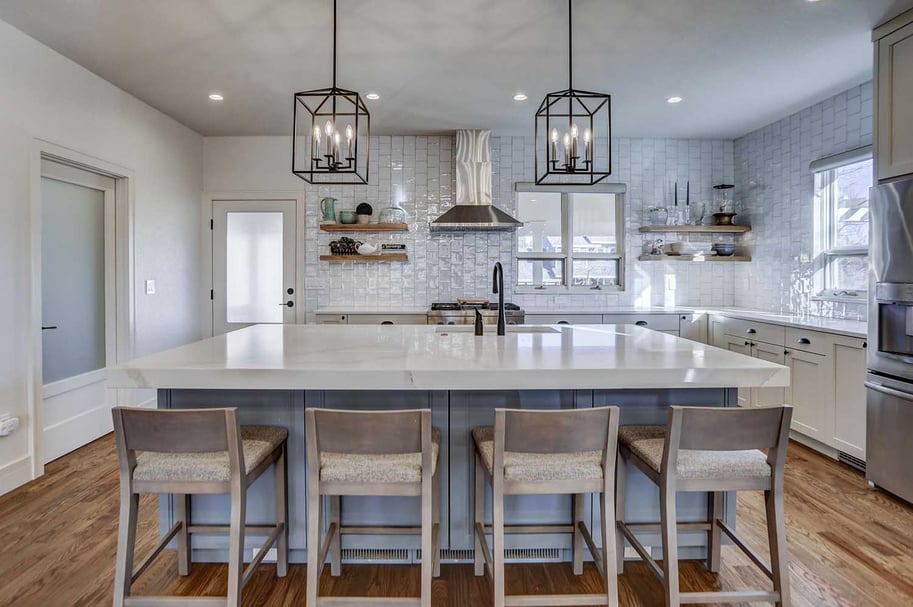
Older kitchens were designed to be isolated and utilitarian. A modern kitchen remodel in Boulder County focuses on connection: opening sightlines, improving circulation, and creating a central space that supports cooking, gathering, and daily life.
This is especially true in 1990s kitchens, which were often oversized yet inefficient, with awkward islands, limited storage, and little connection to surrounding spaces. Layout, material selection, and detailing are opportunities to introduce character and cohesion where none existed before.
Bathroom Remodels
Bathrooms in 1970s–early 2000s homes are often small, poorly lit, and inefficient. Bathroom remodels in Boulder County prioritize comfort, storage, style, and calm, efficient use of space, using timeless materials and thoughtful layouts rather than short-lived trends.
Primary suites, in particular, benefit from expansion and reconfiguration, transforming them from afterthoughts into restorative spaces.
Basement Remodels in Boulder County
Basements from this generation were rarely designed to be lived in. A basement remodel in Boulder County can create guest space, home offices, media rooms, gyms, or flexible family areas.
With proper insulation, lighting, and design, basements can feel fully integrated with the rest of the home, not like an afterthought.
How Can I Make My Older Home More Energy Efficient?
Homes built from the 1970s through the early 2000s were not designed with today’s energy standards, or Boulder County’s climate, in mind. Remodeling provides an opportunity to address efficiency holistically.
Key upgrades often include:
- Insulation: Replacing missing or underperforming insulation
- Windows: Reducing drafts and improving comfort and daylight
- Mechanical systems: Modern HVAC, zoning, or mini-splits
- Solar prep: Planning for future electrification and solar integration
In 1990s homes, we also frequently encounter early builder-grade materials that are reaching the end of their lifespan, even if they appear visually intact.
Energy efficiency isn’t just about lower bills, it’s about comfort, resilience, and long-term performance.
Common Hidden Surprises in 1970s–2000s Remodels
Opening up homes from this era often reveals conditions that need to be addressed:
- Outdated or unsafe electrical systems
- Aging or corroded plumbing, including polybutylene
- Poor or missing insulation
- Asbestos in ceilings, flooring, or ductwork
- Improper structural modifications from past renovations
A disciplined discovery phase early in the design-build remodeling Boulder process helps surface these realities before construction begins, protecting both budget and timeline.
Design Direction for Updated Homes in Boulder County
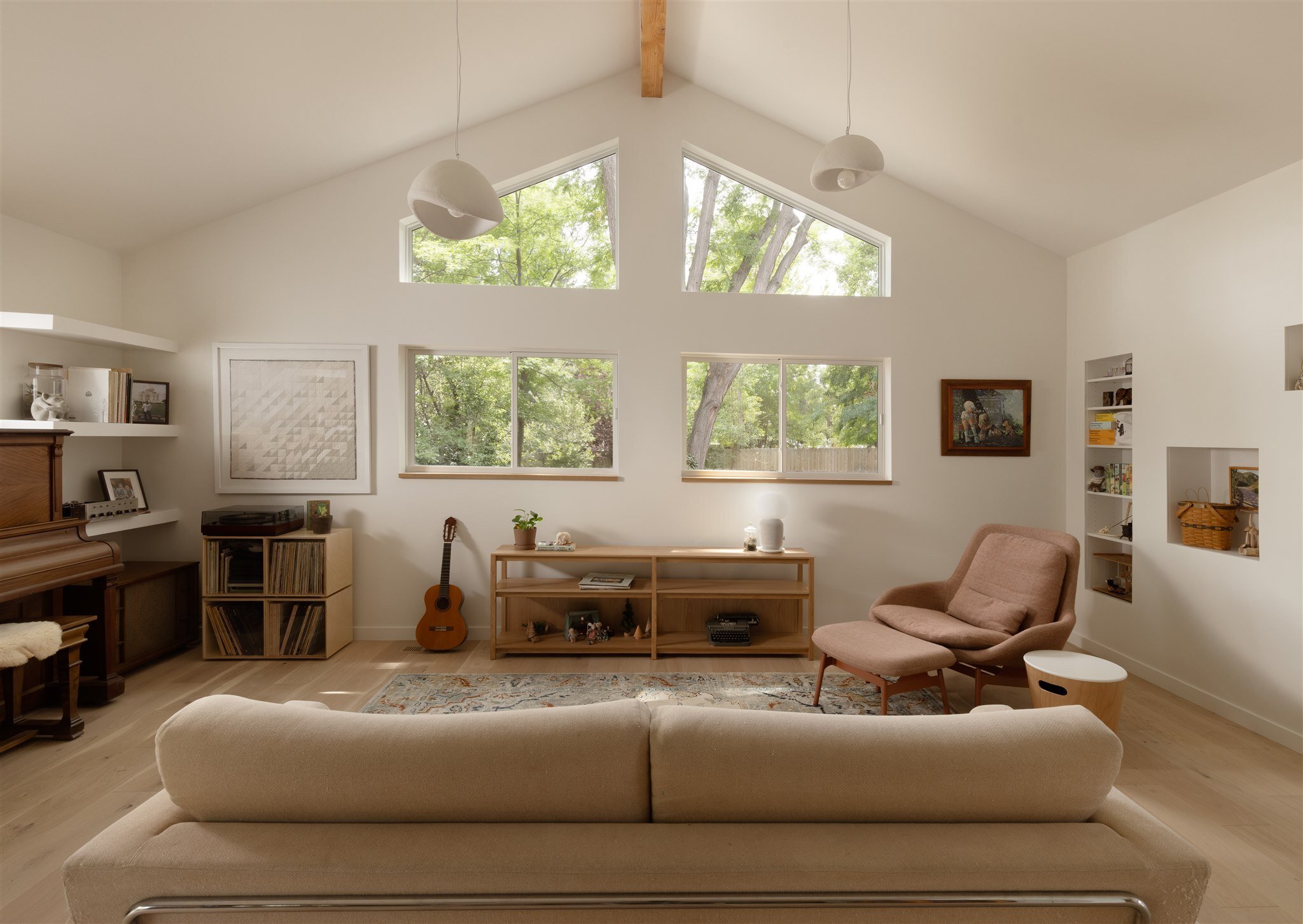
Design isn’t about honoring the era... it’s about transcending it
In modern Boulder home remodels, we consistently see:
- Warm, natural materials
- Clean, disciplined layouts
- Strong indoor–outdoor connections
- Integrated storage that reduces daily friction
The goal is a home that feels personal, grounded, and aligned with how you live today, not a time capsule.
Choosing the Right Boulder Home Builder
Anyone can build. Not everyone can guide.
The right Boulder home builder listens first, sets expectations clearly, and helps you navigate complexity with confidence. Remodeling is inherently layered and unpredictable. A structured, communicative process is what makes the experience rewarding rather than overwhelming.
Ready to Modernize Your Boulder County Home?
If your home no longer supports the way you live—but you still love where it is—home remodeling in Boulder County may be the right path forward.
The first step isn’t a commitment. It’s a conversation about your goals, your constraints, and what’s realistically possible so you can move forward with clarity and confidence.